ICAS Technology logo
Home
Software & Control
Warehouse Control SystemWarehouse Management SystemSCADA
Storage Systems
Four-Way Shuttle SystemVertical Lift ModuleMAXI Vertical Lift ModuleMobile Racking System (Compatta)Vertical Carousel (Rotar)Horizontal Automatic Lift System (RIGO)
Automation & Sorting
Autonomous Mobile RobotsSortation SystemsPut-to-Light SystemsParcel Sorting
Company
About UsResourcesTalk to an Expert
Talk to an Expert
Home

/

Resources

/

Planning

/

How to Calculate ROI on Warehouse Automation

Planning

RESOURCE · GUIDE

How to Calculate ROI on Warehouse Automation

Key cost and savings factors for evaluating your investment.

Published

May 7, 2026

·

·

ICAS Technology
🔗 Copy link
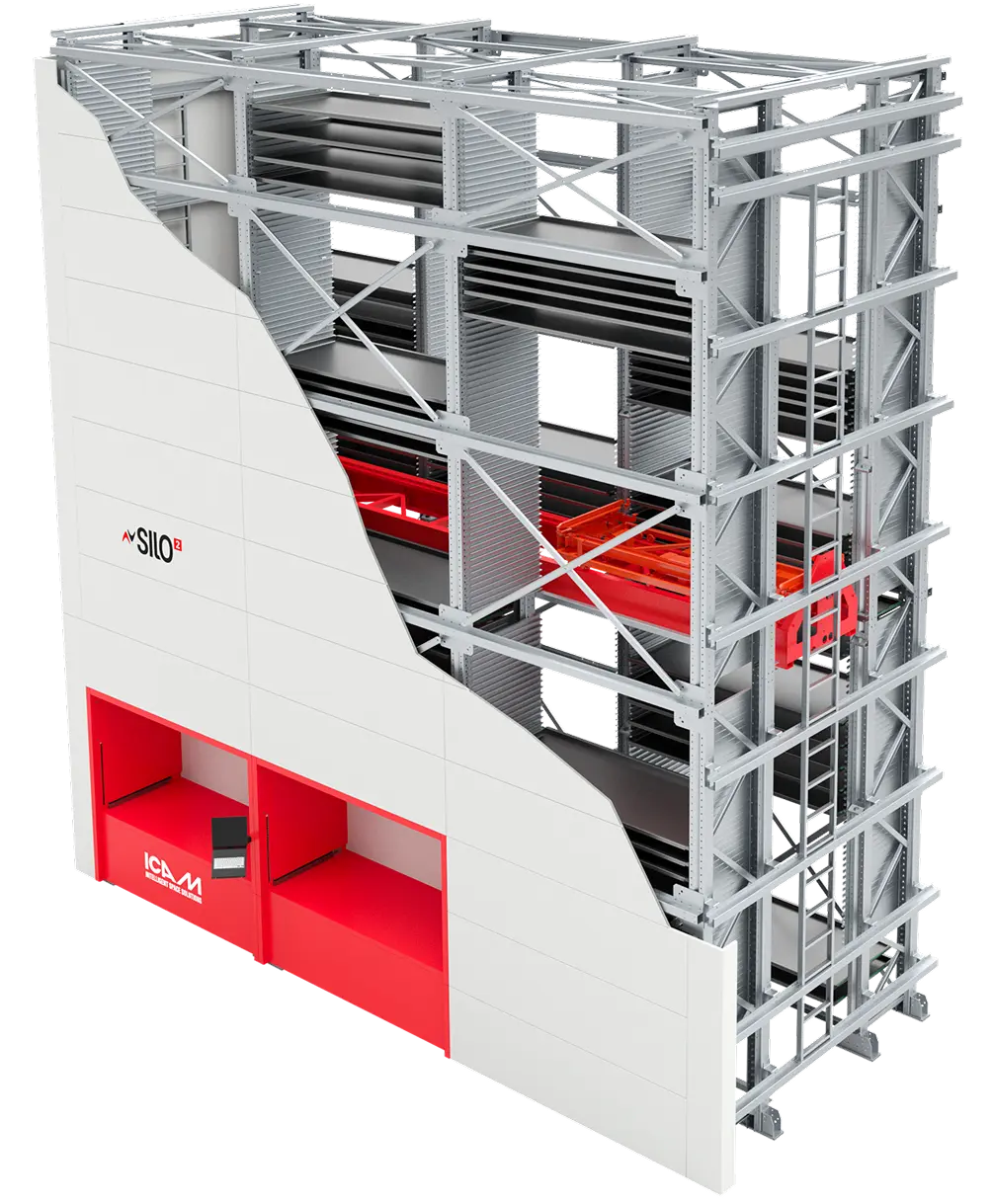
Silo² automated storage and retrieval system

Warehouse automation is a significant investment, and stakeholders will want a clear picture of payback before signing off. Here's how to build a credible ROI case.

Start with labor savings

Calculate current labor hours spent on the task you're automating, multiply by fully-loaded hourly cost, then estimate the reduction automation delivers.

Factor in space reclaimed

Automated storage systems like VLM and ASRS often free up significant floor space — value that space at your facility's cost per square foot, or the revenue-generating activity it could support instead.

Account for accuracy and throughput gains

Fewer picking errors and faster cycle times translate into fewer returns, less rework, and higher order capacity without adding headcount.

Key cost and savings factors

  • Labor cost reduction
  • Space reclaimed
  • Error and rework reduction
  • Throughput capacity gained
  • Implementation and maintenance cost

The short answer

A credible ROI case combines labor savings, space value, and throughput gains against total implementation cost — most warehouse automation projects in Singapore pay back within 2-4 years depending on scale.

FAQ

Frequently Asked Questions

What's a typical payback period?

Most projects see payback in 2-4 years, though space-constrained facilities with high labor costs can see faster returns.

Should I include maintenance costs?

Yes — ongoing maintenance and support should be included in your total cost of ownership, not just the upfront investment.

What should we measure before the project starts?

Baseline your current picks per hour, error rate, order cycle time, and floor space used per SKU. Without a documented baseline taken before installation, you can't prove the gain afterwards — and this is the single most common gap when projects come up for review.

Not sure which system fits your operation?

Discuss your requirements×

On this page

Talk to an ICAS engineer

30+ years of intralogistics projects across Southeast Asia.

Book a consult →

Not sure which system fits your operation?

Our team can assess your space, inventory profile, and throughput needs to recommend the right mix of automation.

Discuss Your Requirements