
Autonomous Mobile Robots (AMR)
Flexible autonomous transport for dynamic warehouse environments.
ICAS Technology, a Singapore-based intralogistics system integrator, provides autonomous mobile robots (AMRs) that transport materials between warehouse processes without fixed infrastructure, adapting to changing operational requirements while reducing manual transport.
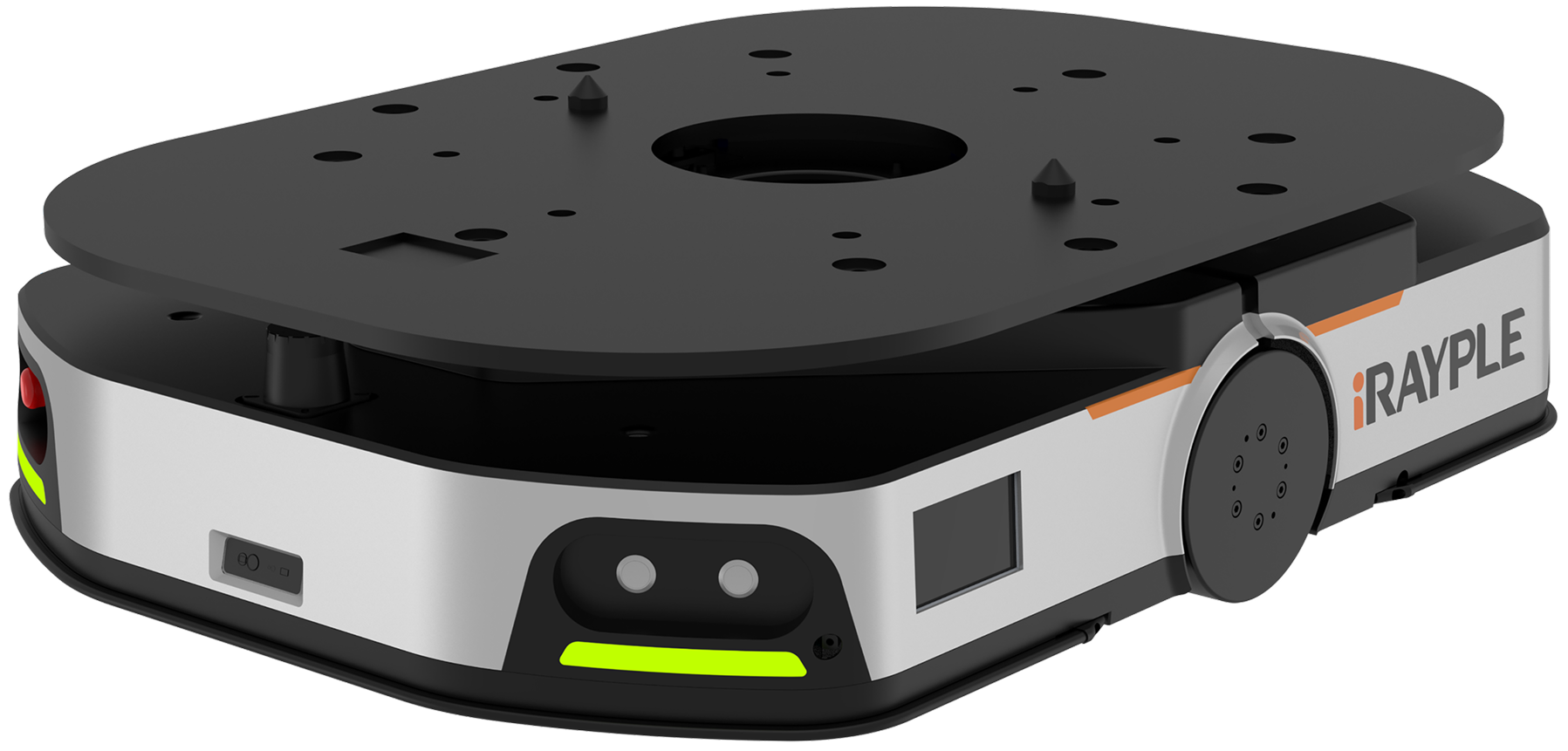
What Autonomous Mobile Robots Deliver
Reduce manual transport
Automate repetitive material movement tasks.
Improve operational flexibility
Adapt routes and workflows as requirements change.
Support business growth
Extend material transport as your operation and layout change.
Enhance productivity
Allow operators to focus on higher-value activities.
How AMRs Move Materials Through a Warehouse
An AMR receives a transport task, plans its own route and adjusts to activity on the floor, and carries materials to the destination. Tasks can be dispatched automatically from the connected warehouse software.
Request
Where AMRs Are Used in Singapore Warehouses
Where AMRs move materials between processes
AMR Integration with WMS, WCS and Warehouse Automation
AMRs work alongside warehouse software, automated storage and fulfillment systems, moving materials between storage, picking and dispatch areas as part of one coordinated operation.
Autonomous Mobile Robot FAQs
What AMRs handle day to day, and how they slot into the automation you already have.
Do AMRs need fixed infrastructure like tracks?
No — AMRs navigate the facility on their own instead of following fixed tracks or guide paths, so routes and workflows can change as your requirements change. A site assessment confirms what your floor and layout need.
What tasks do AMRs typically handle?
Material transport between processes, freeing operators to focus on higher-value activities.
Can AMRs work with our existing automation?
Yes — AMRs integrate with WMS, WCS, Four-Way Shuttle, VLM, Put-to-Light, and sortation systems as one coordinated operation. The interfaces depend on your existing systems and are scoped with our specialists.
What is an autonomous mobile robot (AMR)?
An AMR is a self-navigating vehicle that carries materials between locations in a warehouse. It plans its own route and adjusts to activity on the floor, so it does not rely on fixed tracks.
What is the difference between an AMR and an AGV?
An AGV typically follows a fixed path, such as a magnetic strip or guide wire, while an AMR navigates on its own: it plans its own route and adjusts to activity on the floor. Which fits better depends on how stable your layout and workflow are.
How do I know if my Singapore warehouse needs AMRs?
AMRs tend to suit operations with repetitive material movement between processes and layouts that change over time. Our specialists can help assess whether your workflow fits.
Explore Flexible Warehouse Automation
Find out how AMRs can improve material movement and operational efficiency within your facility.
Related reading: When Does a Warehouse Need AMR?
Schedule a Consultation