Key Takeaways
AMR suits operations with rising labor costs and long travel distances between zones.
Fleet size should be sized incrementally, not all at once.
AMR typically needs minimal facility changes compared to fixed automation.
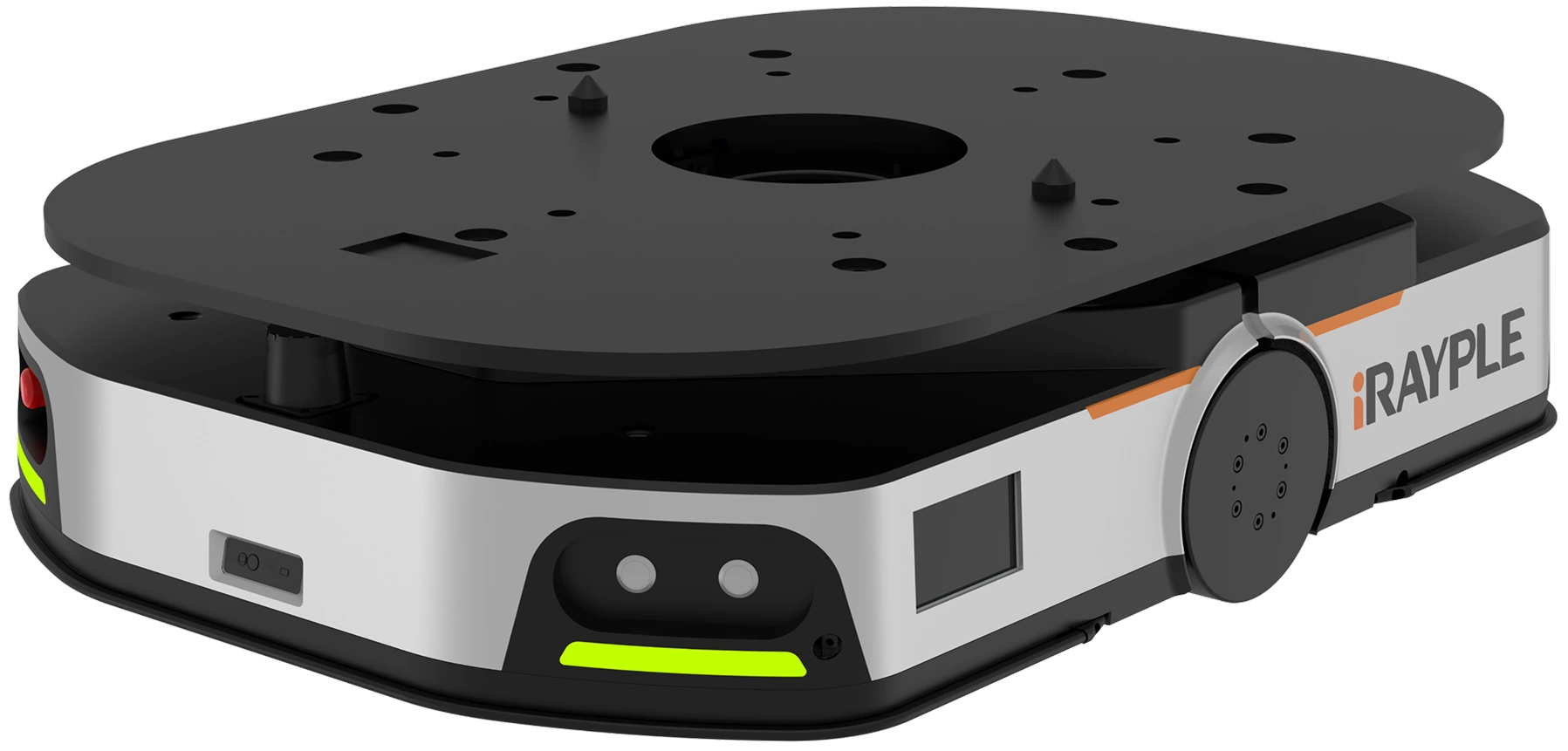
Autonomous Mobile Robots (AMR) aren't the right fit for every warehouse — but for many operations, there's a clear tipping point where manual material movement starts limiting growth.
Signs it's time to consider AMR
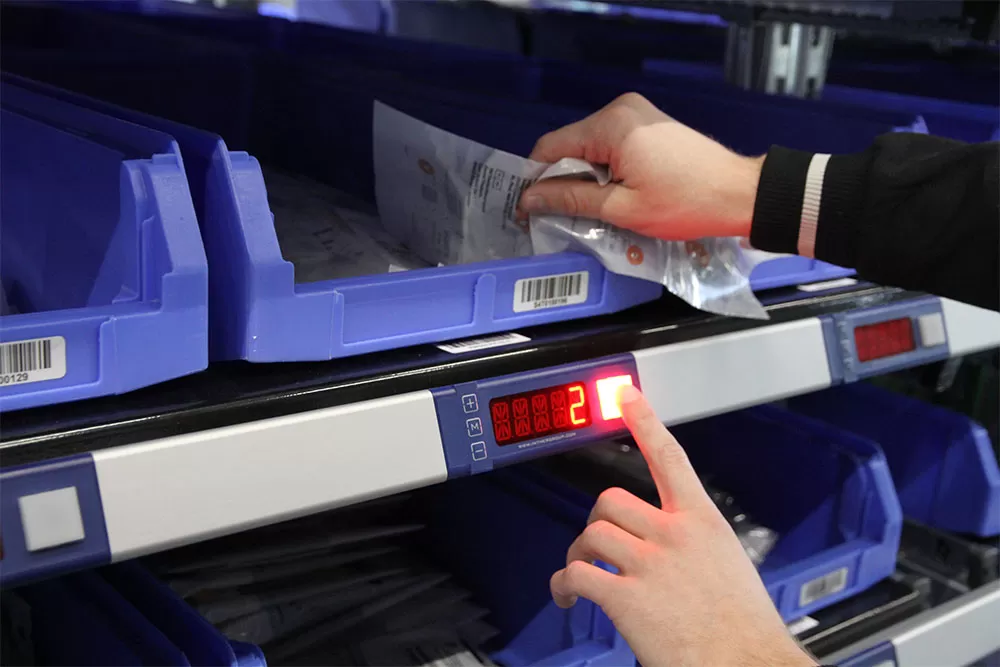
- Rising labor costs for repetitive transport tasks
- Difficulty scaling headcount during peak seasons
- Long travel distances between zones
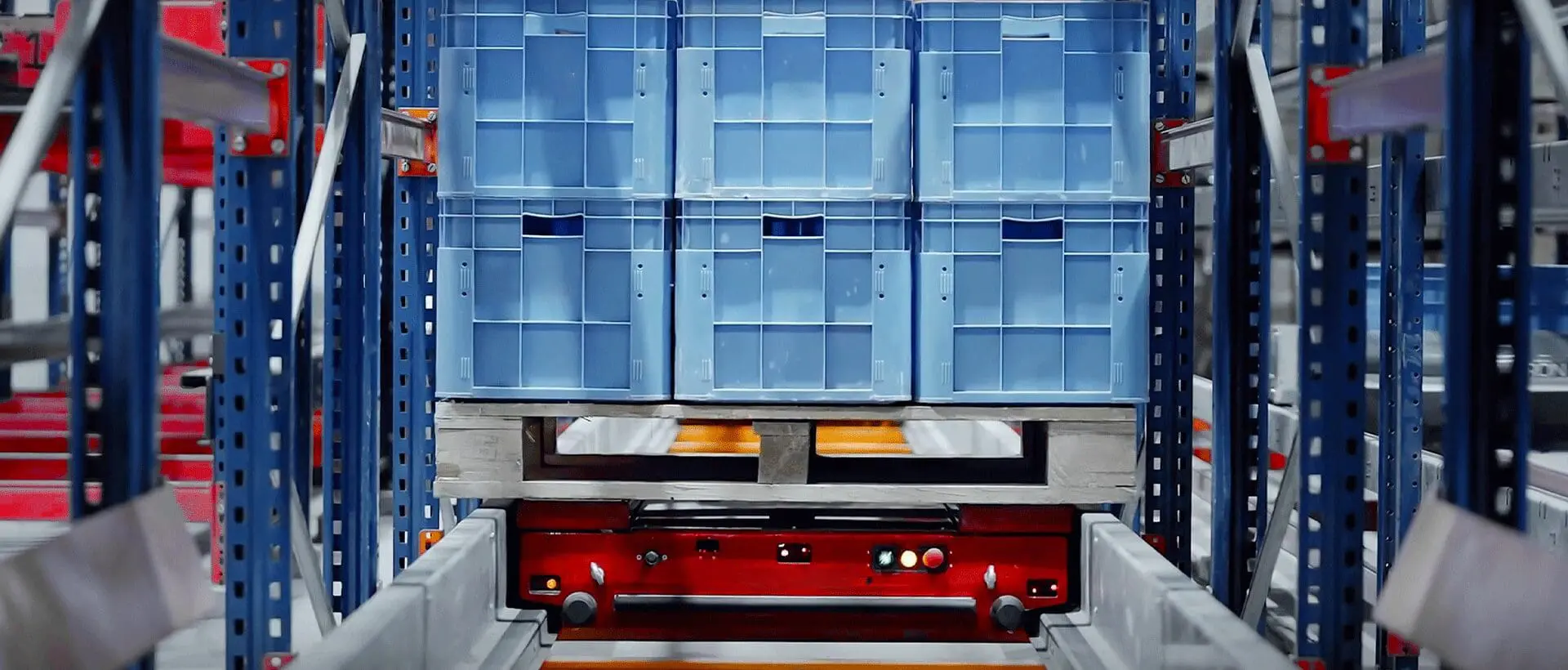
- Frequent layout changes that fixed conveyors can't accommodate
- Need for flexible, on-demand material flow
Operational triggers
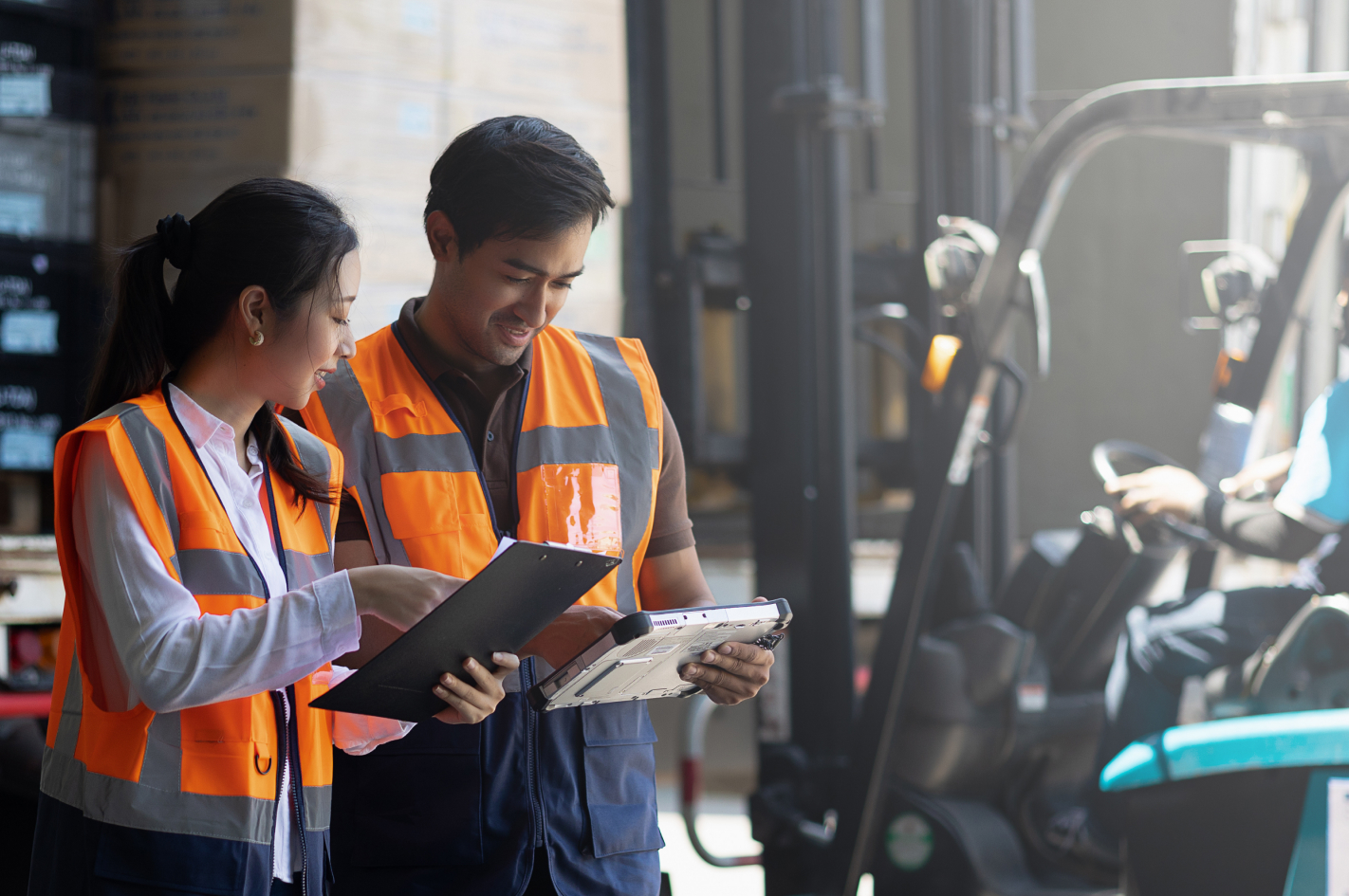
Common triggers include opening a new facility, seasonal peak volume that outstrips available labor, or a push to improve safety by reducing forklift and pedestrian interactions.
The short answer
If your team spends significant time moving goods between fixed points and labor availability or safety is becoming a constraint, AMR is worth evaluating — especially since it deploys with minimal facility changes compared to fixed automation.
2–4
units to start
Typical initial AMR fleet size for a single high-volume route
40%
less transport labor
Reported reduction in repetitive manual transport tasks
High — reroutes without rework
Incremental, add units as needed
Variable, multi-zone flows
Stable, high-volume single path
Ready to evaluate AMR for your site?
We'll walk your floor and map out where flexible transport actually pays off.