ICAS Technology logoTalk to an Expert

Four-Way Shuttle vs ASRS Crane Systems

Storage Systems
June 23, 2026
Which high-density storage mechanism suits your operation.
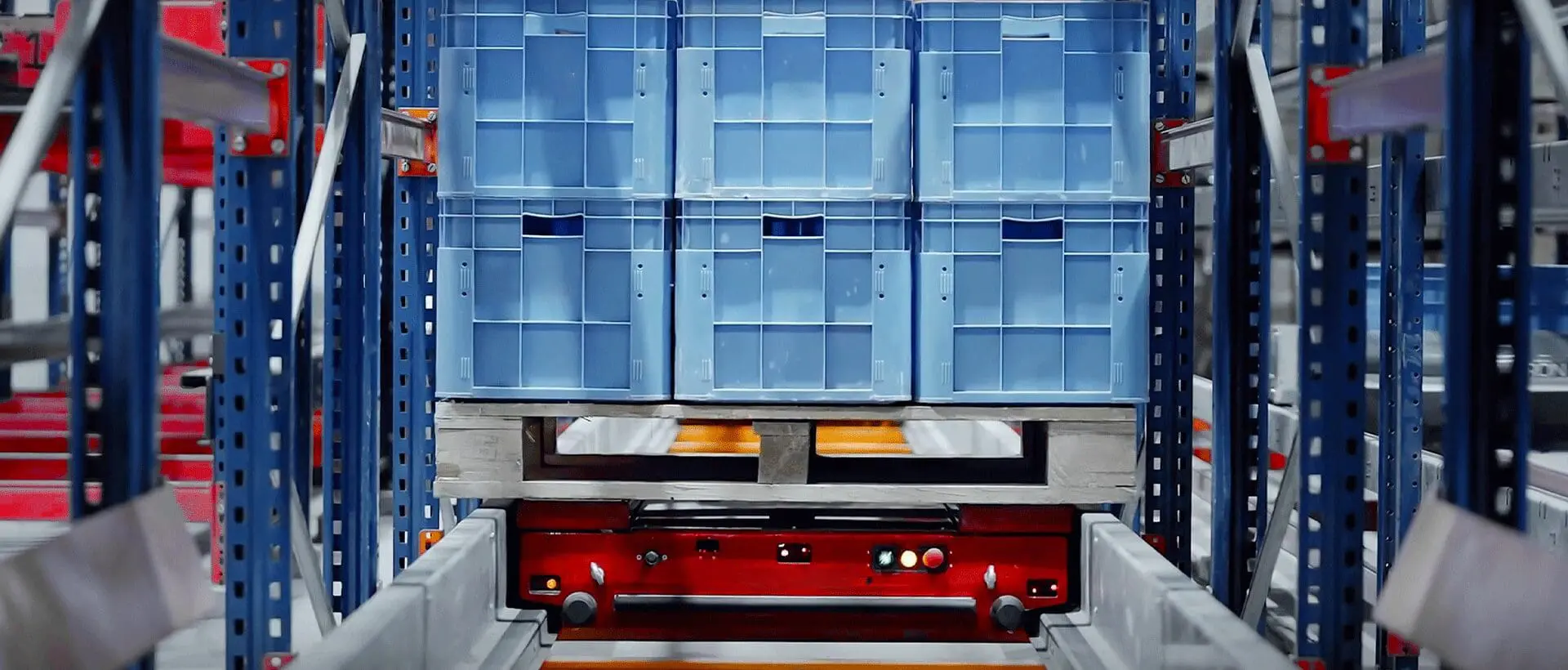
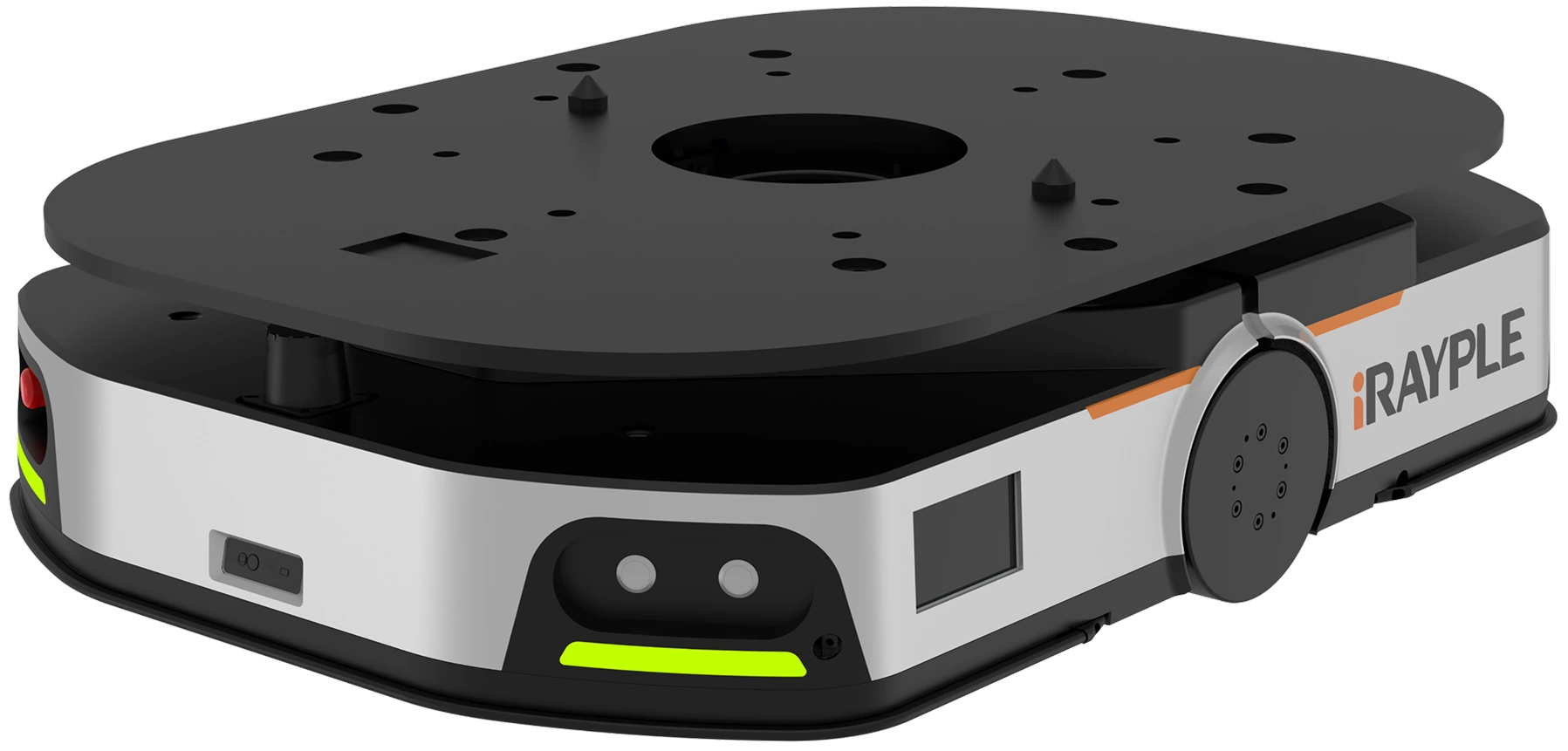
Four-way shuttle robot in warehouse racking

Both four-way shuttle systems and crane-based ASRS deliver high-density automated storage, but they use very different mechanisms to move goods. Choosing between them depends on your throughput needs and storage profile.

How four-way shuttle systems work

Shuttles move both horizontally and vertically within a racking structure, carrying totes or cartons independently between storage locations and pick/put stations.

Best suited for:

How crane-based ASRS works

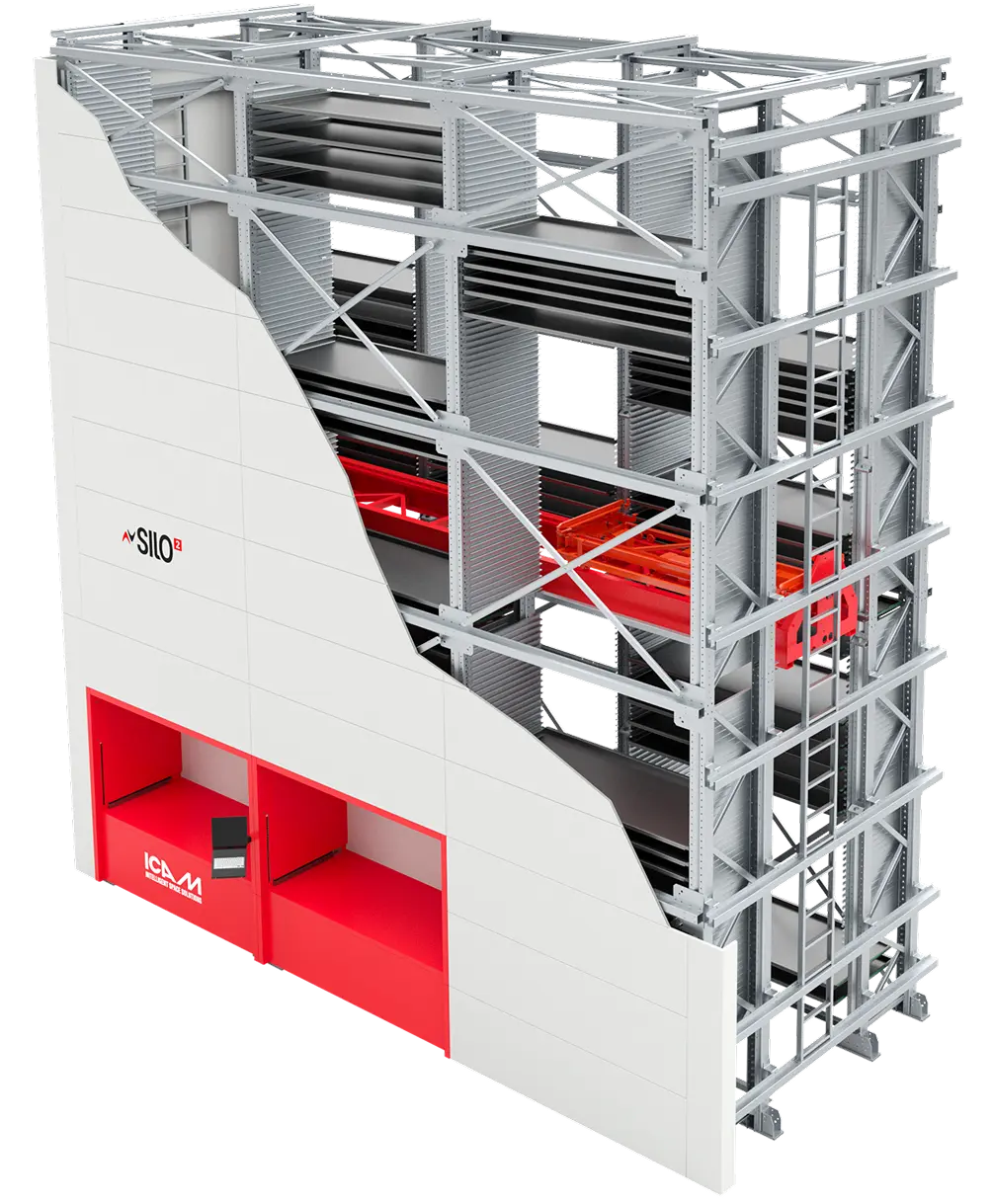
A single crane (or a small number of cranes) travels along a fixed aisle, retrieving and storing pallets or containers on demand.

Best suited for:

Key differences at a glance


Factor                     Four-Way Shuttle                                           Crane ASRS
Flexibility                 High — shuttles move independently              Lower — bound to crane aisle
Scalability                Add shuttles incrementally                              Scales within designed structure
Storage unit            Totes, cartons                                                   Pallets, containers
Redundancy            High — multiple shuttles                                  Lower — single point of failure per aisle

The short answer

Four-way shuttles suit flexible, tote-based operations with fluctuating demand, while crane ASRS suits high-density palletized storage with steady, predictable throughput.

FAQ

Frequently Asked Questions

Which system has better redundancy?

Four-way shuttle systems generally offer better redundancy since multiple shuttles operate independently — a single shuttle going offline doesn't halt the whole system.

Can both systems integrate with a WMS?

Yes — both are designed to integrate with WMS and WCS platforms for real-time inventory control.

Which system needs a stronger floor?

Crane ASRS concentrates load — the crane rides on a floor-mounted rail, so point loads along the aisle are high and the flatness tolerance on that rail line is tight. Four-way shuttle systems spread load across the rack structure's base plates, but the total load can still be substantial in a dense tote installation. Either way, floor flatness and slab loading capacity should be surveyed before layout is finalised, since remediation after the structure is up is expensive. This is often the binding constraint in retrofits rather than throughput or footprint.

Not sure which system fits your operation?

Our team can assess your space, inventory profile, and throughput needs to recommend the right mix of automation.

Discuss Your Requirements