Key Takeaways
Singapore ASRS projects must consider building constraints, equipment access and applicable approvals.
System selection should reflect inventory characteristics, available space and operational requirements.
Costs, system integration and maintenance requirements should be evaluated before implementation.
Warehouse space, manpower requirements and operating costs are important considerations for businesses in Singapore. For companies operating in multi-storey industrial buildings, expanding storage capacity can be challenging due to floor-loading limits, restricted ceiling heights and equipment access.
An Automated Storage and Retrieval System (ASRS) can help improve storage efficiency, reduce repetitive handling and make better use of available space. However, choosing the right system requires careful evaluation of building conditions, operational needs and implementation costs.
Why ASRS Matters for Singapore Warehouses
ASRS can support businesses looking to improve warehouse operations without necessarily expanding their premises. Potential benefits include:
- Space optimisation: Make better use of available floor area and vertical storage space.
- Manpower efficiency: Reduce repetitive storage and retrieval activities.
- Inventory management: Support more organised inventory movements and retrieval processes.
- Operational scalability: Accommodate changing storage requirements where the selected system allows.
For Singapore warehouses, these benefits must be balanced against building restrictions, investment costs and existing workflows.
Building Constraints and Local Approvals
Singapore businesses may operate in JTC developments, ramp-up warehouses, multi-tenant industrial buildings or flatted factories. Before implementing ASRS, operators should assess:
- Floor loading: Can the building safely support the equipment and stored inventory?
- Ceiling height: Is sufficient vertical clearance available?
- Equipment access: Can components be delivered through loading bays, ramps or cargo lifts?
- Installation requirements: Can the system be installed without excessive disruption?
Depending on the project, businesses may also need to consider SCDF fire safety requirements, applicable BCA requirements, Workplace Safety and Health (WSH) obligations, and landlord or JTC approvals.
Actual requirements vary by building and installation scope and should be confirmed with qualified professionals.
Choosing the Right ASRS System
Different storage technologies suit different inventory and warehouse requirements.
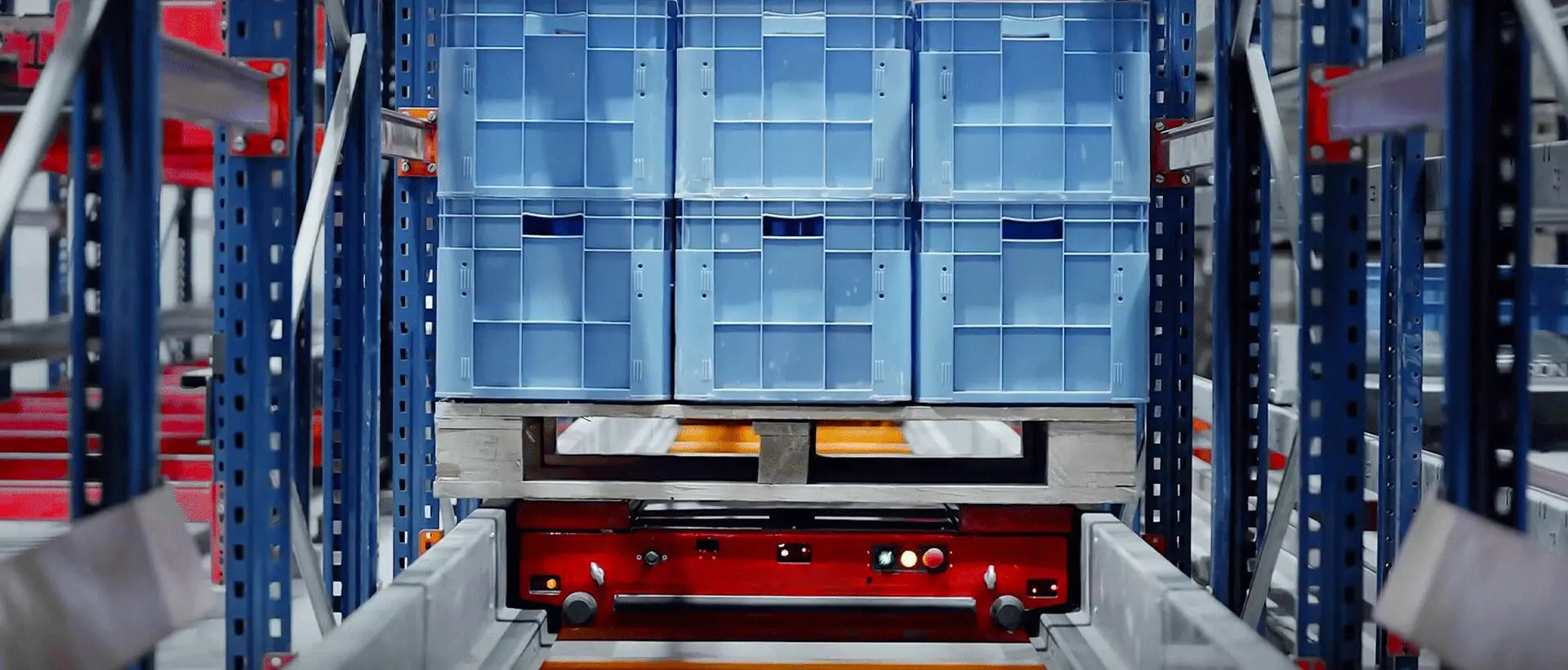
Four-Way Shuttle Systems may support high-density automated storage for suitable palletised inventory.
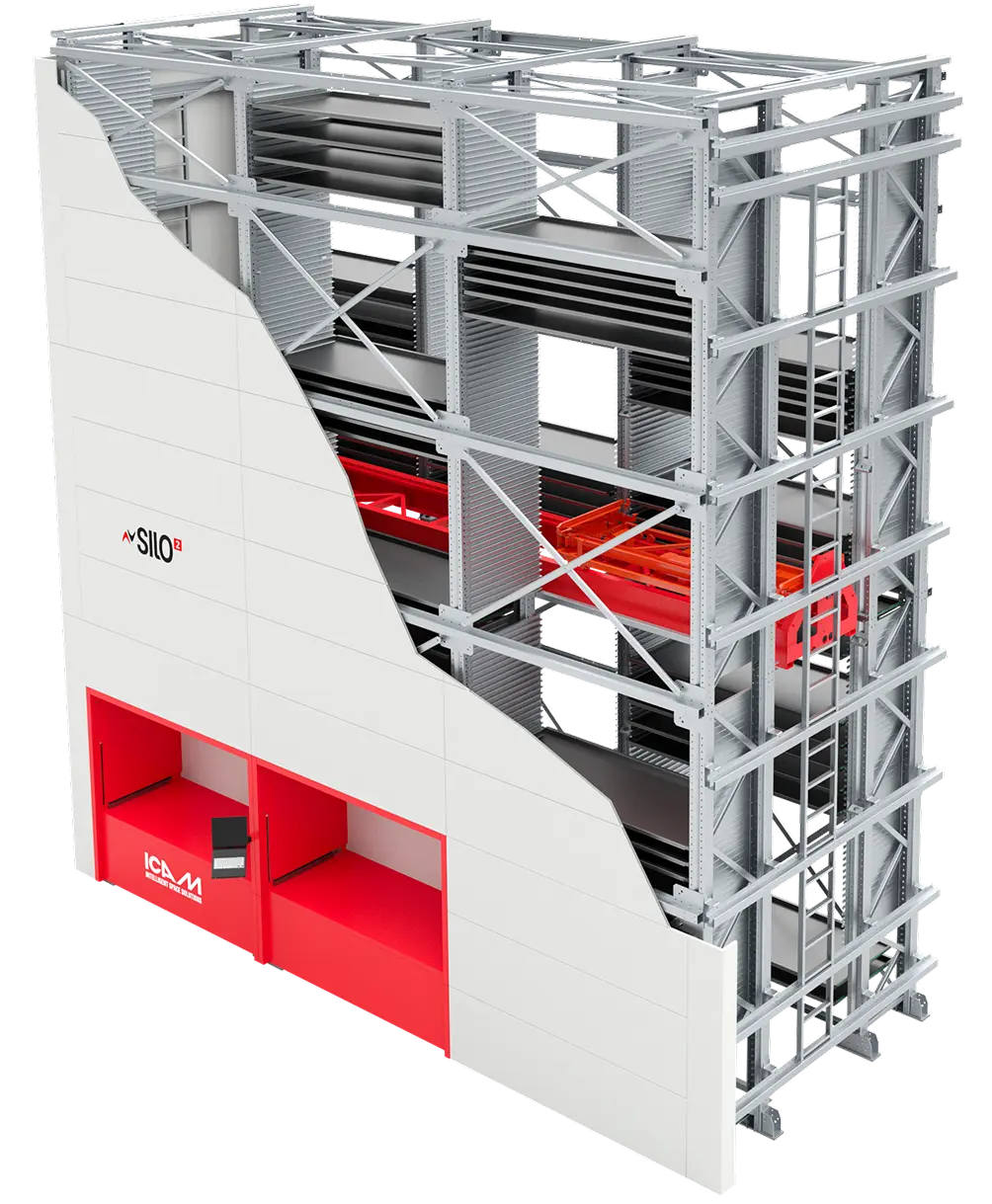
Vertical Lift Modules (VLMs) can provide automated storage and retrieval for compatible small parts, tools and components where sufficient vertical space is available.
Vertical Carousel Systems use rotating carriers to present stored items at an operator access point.
For facilities with restricted ceiling heights, alternative storage configurations such as ICAS Technology's RIGO system may be considered, subject to technical suitability.
Not every warehouse requires automation. Conventional storage may remain appropriate where inventory volumes are low or the expected benefits do not justify the investment.
For detailed technology comparisons, explore ICAS Technology's existing VLM vs ASRS and Four-Way Shuttle vs ASRS Crane Systems resources.
ASRS Costs and Implementation in Singapore
ASRS implementation costs depend on several factors:
- Equipment type and storage capacity
- Building modifications and installation access
- Electrical infrastructure
- WMS, WCS or ERP integration
- Installation, training and maintenance
Businesses should evaluate the total investment against potential improvements in storage utilisation, retrieval efficiency and operational performance.
For further guidance, read ICAS Technology's How to Calculate ROI on Warehouse Automation resource.
What Should Businesses in Singapore Check Before Investing?
Before requesting an ASRS quotation, warehouse operators should prepare:
- Building details: Floor area, ceiling height, floor-loading limits and equipment access.
- Inventory information: SKU count, item dimensions, weights and storage requirements.
- Operational needs: Retrieval frequency, throughput and future expansion plans.
- Integration requirements: Existing warehouse software and connected equipment.
- Implementation considerations: Installation timeline, maintenance and applicable approvals.
These details help determine whether automation is suitable and which configuration may best support the operation.
How ICAS Technology Can Help
ICAS Technology provides warehouse automation and intralogistics solutions for businesses evaluating improvements to their storage operations.
Its solutions include Four-Way Shuttle systems, Vertical Lift Modules, Vertical Carousel systems and warehouse software.
For Singapore businesses, evaluating building suitability, inventory requirements and system integration early can help identify practical automation options.
Conclusion
ASRS can help Singapore warehouses improve storage utilisation and operational efficiency, but successful implementation depends on selecting a system that fits the building and business requirements.
Before investing, businesses should assess structural limitations, installation access, integration needs and total project costs.